
Exploring how gambling shapes cultural narratives worldwide
The Historical Roots of Gambling
Gambling has been a part of human civilization for thousands of years, with its origins tracing back to ancient cultures. Archaeological evidence suggests that dice dating back to 3000 BC were found in Mesopotamia, indicating that early forms of gambling were prevalent. Various ancient civilizations, including the Egyptians, Greeks, and Romans, engaged in gambling activities, often linking them to rituals and religious practices. This historical backdrop highlights the significant role gambling has played in shaping social interactions and community dynamics throughout history. Today, players seeking thrills are often on the lookout for the best online casino real money options available, reflecting the evolution of this activity in modern times.
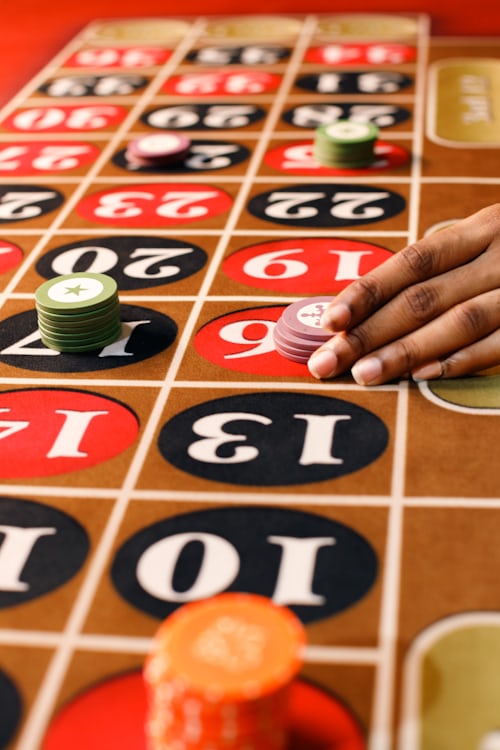
As societies evolved, so did the forms of gambling. In medieval Europe, gambling was often associated with the nobility, who engaged in games of chance as a pastime. This trend laid the groundwork for modern gambling establishments, such as casinos, which emerged in the 17th century. The transformation of gambling from a social activity to a structured industry reflects broader societal changes, including the rise of capitalism and urbanization, making it a fascinating subject for cultural analysis.
Cultural Significance and Representation
Gambling holds a unique place in various cultures, often serving as a lens through which societal values and beliefs can be examined. In some cultures, it is seen as a rite of passage or a test of courage, while in others, it is viewed with skepticism and caution. For instance, in many indigenous cultures, gambling is intertwined with storytelling, rituals, and community bonding, showcasing its role in cultural narratives. This multifaceted perception can significantly impact how gambling is regulated and practiced within different societies.
Moreover, gambling often appears in literature, film, and art, reflecting its deep cultural resonance. From classic novels to contemporary cinema, themes of chance and risk permeate narratives, highlighting the human condition’s complexities. These representations can either glamorize gambling or serve as cautionary tales, demonstrating its dual nature as both entertainment and potential vice.
The Economic Impact of Gambling
The gambling industry significantly contributes to economies worldwide, generating substantial revenue and creating jobs. In regions where gambling is legalized, it often becomes a critical driver of tourism, attracting visitors seeking entertainment and excitement. This economic dimension of gambling shapes cultural narratives, emphasizing the interplay between commerce and community values. Local governments may promote gambling as a means of economic development, while also grappling with the social implications of addiction and crime associated with it.
This economic impact extends beyond mere profit. In many cultures, gambling revenue is allocated to public services such as education and healthcare, intertwining the industry with societal welfare. As a result, the narrative surrounding gambling becomes complex, as it showcases both the benefits and challenges that accompany this popular pastime, leading to ongoing debates about its place in society.
Social Dynamics and Community Influences
Gambling often influences social dynamics, shaping relationships and community interactions. It can serve as a social equalizer, bringing together individuals from different backgrounds and walks of life. Community gambling events, such as local lotteries or poker nights, foster a sense of camaraderie and collective identity. However, these gatherings can also lead to tensions and conflicts, particularly when issues of addiction and financial strain arise.
Furthermore, the social perception of gambling varies widely across cultures. In some societies, it is embraced as a form of leisure and entertainment, while in others, it carries a stigma. This dichotomy influences how communities respond to gambling, whether through regulation, support for those struggling with addiction, or even embracing it as a cultural tradition. Understanding these social dynamics is crucial for grasping gambling’s broader impact on cultural narratives.

Insights from the Gambling Industry
This website serves as an essential informational resource regarding the gambling industry, offering insights, news updates, and critical analysis. With a focus on the cultural narratives shaped by gambling practices worldwide, it provides valuable information to those interested in understanding the industry’s dynamics. Despite current access restrictions, the platform aims to maintain a secure environment while keeping users informed about ongoing developments.
By exploring the intersection of gambling and culture, the website endeavors to shed light on the profound ways in which this activity influences societies globally. Whether through historical context, cultural significance, or economic implications, the insights provided can help readers navigate the complexities surrounding gambling and its narrative influence across different cultures.
Leave a Reply